.png)
Emission Credits and Maritime Regulation: The Brazilian Opportunity
- raquel2601
- May 21, 2025
- 1 min read
Updated: May 26, 2025
The recent analysis by the Brazilian Association of Cabotage Shipowners (ABAC), published by Navalshore, sheds light on the potential impact of new IMO regulations on fuel standards and carbon emission pricing.
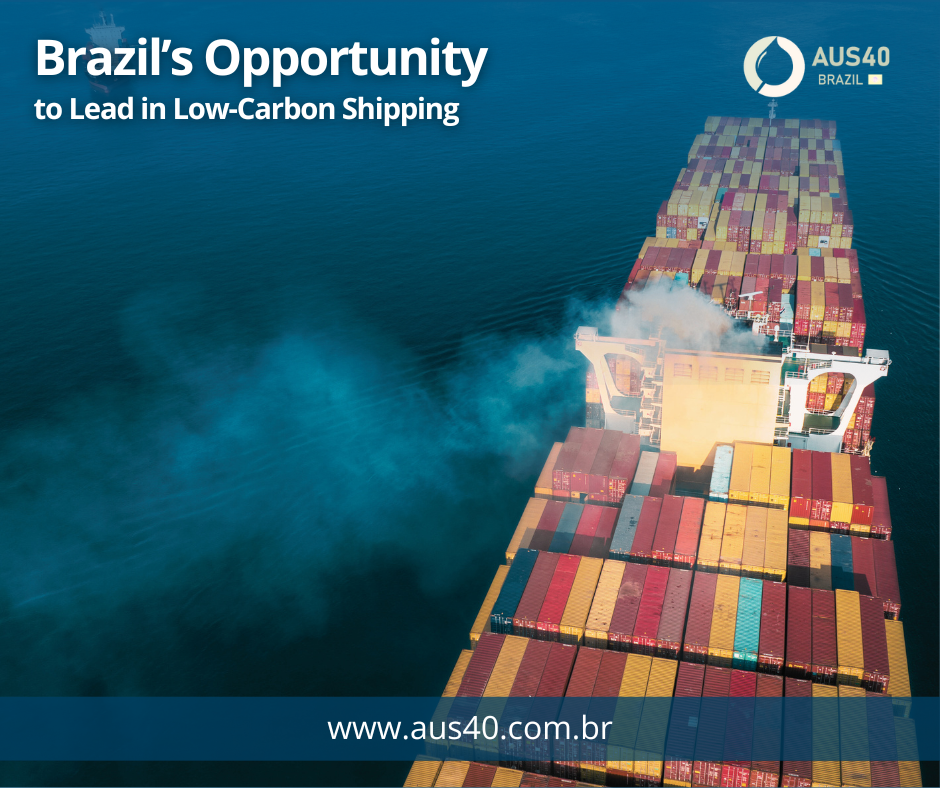
One of the key points discussed is the possibility for ships operating along the Brazilian coast to generate CO₂ emission credits through the use of biofuels, such as B24 (a 24% biodiesel blend). This opens a valuable path for reducing maritime emissions in line with global targets. However, for this to become a viable solution at scale, a robust and consistent production and supply chain is necessary.
At the same time, it is important to recognize that Brazil is not currently part of the NECA (Nitrogen Emission Control Areas) or SECA (Sulfur Emission Control Areas). These zones are enforced in Europe and North America to significantly limit emissions of nitrogen oxides (NOx) and sulfur oxides (SOx) — greenhouse gases with major environmental and health consequences.
Without a clear policy roadmap to include Brazil in such zones, national regulatory and industry strategies must continue to focus on scalable low-emission alternatives, like advanced biofuels, while pushing for technological innovation and investment in sustainable infrastructure.
The maritime transition is happening globally — and Brazil, with its natural resources, biodiesel capacity, and strategic coastal shipping routes, is in a unique position to lead rather than follow.


